
Additionally, for CBD products that are meant for consumption, approval as “Novel Foods” is mandated by the Food Standards Agency (FSA). An outline of the allowable THC levels in CBD products according to UK cannabis regulations is presented here. Some https://www.420magazine.com/420-sponsor-articles/online-cannabis-communities-and-consumer-choices/ patients find that private prescriptions can be expensive and create access barriers. Nabiximols, a mouth spray, is also available for patients suffering from multiple sclerosis. Prescribed primarily for epilepsy patients, CBD liquid is one form of medical cannabis that is accessible. Being caught smoking medical marijuana may lead to penalties and even the revocation of your medical marijuana license.
Whilst filing the Early Day Motion to open up prescribing rights to GPs in the UK (Blunt said as many as 20,000 patients in the UK have a private prescription for medical cannabis), and 1,000 have a valid NHS prescription. He said this during a Westminster Hall debate and also cited estimations that predicted that by 2024 there could be as many as 337,000 potential medical cannabis patients in the UK. It is important to bear in mind that these figures relate to the quantity of products prescribed within four years, not the amount of patients that have received a prescription for CBPMs. They could (however), reveal that 11,976 licensed CBPMs were prescribed between November 2018 and October 2022 by the NHS, whilst the private healthcare industry prescribed just shy of 90,000 unlicensed CBPMs during the same time frame. But (there is a large disparity between the estimated current figures of patient eligibility), and the amount of patients actually able to access these medicines in the UK. Even though this equates to around 29.6 million people (our report also suggests that less than 1% of those who may be eligible), hold a valid prescription for cannabis based medicines or medicinal cannabis.
It also found cannabis policing “continues to focus on particular ethnic communities”, damaging relations between the police and those communities. The Mayor of London said a report by the independent London Drugs Commission (LDC) published on Wednesday had provided “a compelling, evidence-based case” for decriminalisation and urged the Government to consider the move. Mayor of London Sir Sadiq Khan walking through cannabis plants which are being legally cultivated at ‘Traditional’ a licensed factory in Los Angeles. However, in 2014, the National Institute for Health and Care Excellence, which issues guidance to NHS doctors, gave the medicine “do not recommend” status, external, saying it was not cost-effective. But Sativex, which is a mix of THC and CBD produced in a lab, has been approved for use in the UK by the MHRA as a treatment for multiple sclerosis.
- Strict guidelines (limited prescribers), and high costs mean only a few thousand patients can benefit from this change.
- Cannabis classification in the UK has shifted not because the plant changed — but because governments did.
- Campaigners fear that countless lives could be ruined for a minor possession for personal use if the law is not changed, which they say disproportionately targets marginalised communities.
- Proponents argue that legalization would enhance public safety (reduce crime related to the black market), and provide economic benefits through taxation.
- There’s a growing realization that something needs to be done about the medical cannabis program that doesn’t seem to work four years after marijuana-based products were allowed for treatment.
However ministers want to change that deadline because they say there is not enough time to do all the necessary research and safety investigations. Yes, first-time offenders may receive police warnings or confiscation depending on circumstances. But it is through better regulation of private providers that the risks of medical cannabis can be minimised, while the relief it provides to patients suffering from conditions such as MS and epilepsy can be made available to many at affordable rates. However, resources were not invested into improving understanding of the medication among doctors, or putting in place the structures that would provide regular access for patients.

Our monitoring aims to eliminate harm, help individuals discontinue the use of painkillers and opioids, and enhance quality of life through medically qualified, rigorously controlled, and scientifically validated treatments. A study involving 1,000 pain patients in the UK who used cannabis revealed that more than half had completely stopped using opioids. A significant advantage of cannabis is the decrease in the number of patients relying on other medications. Currently, these children are being denied access to medical cannabis.
Perhaps better suited to South East and South West regions in order to finish in time. One of the preferred and most recommended strains for growing cannabis in UK. That’s why growing autoflower seeds has become so popular with UK growers. But the UK weather is so changeable that you may be able to finish blooming a particular strain one year but not the next.
The estimated UK medical cannabis patient statistics for 2024 sat at around 50,000 to 60,000 active patients, with forecasts pushing cannabis prescription numbers in the UK towards 80,000 by the end of 2025. Despite medical access and growing calls for reform — the illicit cannabis market continues to thrive. The TaxPayers’ Alliance estimated (back in 2018) that full legalisation could save around £200 million in police budgets, with further savings in courts and prisons. The UK has been the largest medical cannabis exporter for several years, mostly thanks to the fact that one UK company dominates the global trade in cannabis-based pharmaceuticals. Attitudes towards both recreational and medical cannabis use have been slowly shifting nation-wide over the past few decades, but that doesn’t mean that the policing towards it has changed. This is the main reason why most patients must turn to private clinics instead.
Cuttings taken from them and put into small pots are bathed in light to accelerate the growing process then moved into the main glasshouse and provided with all the water and nutrients they need. It all sounds very hi-tech, but the way the plants are controlled isn’t that different from growing roses to ensure you have the best blooms possible, says Tovey. Once filled with tomato plants, the glasshouse owned by British Sugar is now home to hundreds of thousands of cannabis plants grown for the pharmaceutical company GW Pharmaceutical.
cannabis growing calendar for Northern Europe

Last month police discovered a large, sophisticated illegal cannabis farm in a former nightclub in Coventry, whose crop had a street value of £1m. These include those found in places such as China and Eastern Europe (growing cannabis for the illegal market), or homemade “farms” set up in abandoned houses or lofts across the UK. “These plants are pre-attuned to daylight length so what we effectively do is create a long night so the cannabis plant thinks it should flower.” Not every cannabis plant smells the same, so a crop here smells distinctly different to a hemp crop or a crop expressing a different profile of cannabidiol. ” To ensure they produce the right qualities for the medicines they help make, these plants are grown in a way that ensures they are all virtually identical. It makes them perfect for approved and regulated epilepsy drugs.
“We’re hoping that individual doctors will prescribe (and see that once they’ve done it once), and it’s worked, so it’s a useful medicine,” says Barnes. “There’s less constraints — but it’s a problem because effectively a lot of the population won’t be able to access it because of its cost.” However, the current prescription and delivery process takes about eight to ten weeks, according to different estimates. An NHS England spokesperson said (“The decision to prescribe medicinal cannabis is a clinical decision for specialist hospital doctors), made with patients and their families, to determine the most appropriate medication or course of treatment for an individual patient.” Before the law was changed in November, there was a string of high-profile cases of children who needed medical cannabis products to survive – such as Alfie Dingley and Billy Caldwell – who were granted exceptions by Javid. “But the guidelines – well (those writing them were given three months between the announcement and the delivery of the guidelines), and the guidelines don’t leave any room for specialists to have confidence that they can prescribe this.”
For those considering medicinal cannabis, it’s essential to approach the process with due diligence, informed consultation, and an understanding of the financial implications. While the private sector currently dominates the scene, changes in legislation and healthcare policies could pave the way for wider accessibility. An example of some of the conditions regularly receiving prescriptions from private clinics include pain (sleep disorders), anxiety, depression and fibromyalgia. Unlike the NHS, private clinics are often more flexible and responsive to the needs of patients. However — despite this legal change, access to medicinal cannabis via the NHS remains highly restricted.
Consequently (the decision resulted in minimal penalties for personal possession), use, and production, with significant reductions in sentences for selling or sharing. Curiously, prior to the implementation of this law, doctors could still suggest cannabis treatments to their patients, despite its prohibition for recreational use beginning in 1928. The cannabis regulations adopted by the UK, following the signing of relevant international treaties, are enshrined in the Dangerous Drugs Act of 1971.
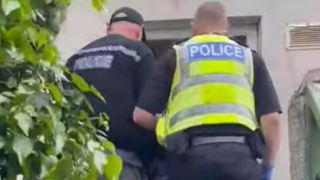
Medical cannabis patients noted an increase in understanding during events such as gigs and nightclubs. Among the strains prescribed by private clinics are ‘White Widow’ and ‘Atomic Sour Grapefruit.’ “My fear was that they could have called the police. I try to minimize the use of my front door because I worry about any scent reaching the shared area. Many individuals express ongoing fear of police encounters — job dismissals, or the potential loss of their children due to the stigma surrounding cannabis use. Patients report needing to carefully consider activities like driving — passing through airport security, or entering bars and clubs. Some users (like Jon), have stated that medical cannabis provided benefits they were seeking from medications such as antidepressants.
Information regarding the seed utilized, THC levels, and EU approval status must be supplied. Nonetheless, the plentiful rainfall maintains plant hydration, while the extended daylight hours during midsummer offer a prolonged photoperiod. If police suspect an intention to distribute (even a small amount could lead to severe legal repercussions), including imprisonment. Despite increasing advocacy and favorable public opinion polls for reform — the legal structure remains unchanged.